conjunctivitis.
Overview
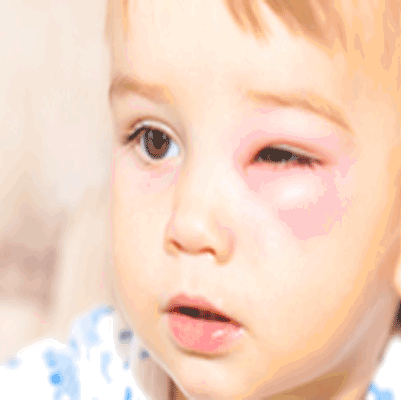
Conjunctivitis (Pink Eye) is an infection or inflammation of the conjunctiva – the thin, transparent membrane that covers the white part of the eyeball and lines the eyelid.
When small blood vessels in the conjunctiva become inflamed, they become more visible, giving the eye a reddish or pinkish appearance.
It can be caused by:
-
Infections: Viruses, bacteria
-
Non-infectious causes: Allergies, dust, smoke, fumes, or irritants
Conjunctivitis is usually mild but can be highly contagious in infectious cases. Early treatment and hygiene can prevent complications.
Symptoms
-
Redness in one or both eyes
-
Itchiness in one or both eyes
-
Gritty or burning sensation in the eyes
-
Sticky discharge that may form crusts overnight, causing difficulty in opening the eyes in the morning
-
Excessive tearing or watery eyes
-
Swelling of eyelids in some cases
-
Sensitivity to light (photophobia) in severe cases
Effects
-
Discomfort and irritation in daily activities (reading, working, screen use)
-
Risk of spreading to family members or classmates (if infectious)
-
Temporary blurred vision
-
Difficulty wearing contact lenses
-
If untreated or severe: may cause complications like corneal ulcers, keratitis, uveitis, or corneal perforation
Treatment
Conventional Treatment
-
Viral Conjunctivitis: Usually self-limiting, cold compress and artificial tears help relieve symptoms
-
Bacterial Conjunctivitis: Antibiotic eye drops or ointments
-
Allergic Conjunctivitis: Antihistamine or anti-inflammatory eye drops
-
Maintain good hygiene: Wash hands, avoid touching/rubbing eyes, avoid sharing towels, eyewear, or cosmetics
Spaks Homeopathy Treatment
At Spaks Homeopathy, treatment is focused on relieving discomfort, reducing recurrence, and improving eye immunity naturally. Remedies are prescribed based on individual symptoms:
-
Euphrasia (Eyebright) – for burning, redness, and watery eyes with sensitivity to light
-
Belladonna – for intense redness, throbbing eye pain, and photophobia
-
Pulsatilla – for thick yellow-green discharge and itching, worse in warm rooms
-
Apis mellifica – for swollen eyelids with stinging pain and watery discharge
-
Argentum nitricum – for mucopurulent discharge with sticky eyelids in the morning
Croup-
Overview
Croup is caused by an acute viral infection of the upper respiratory tract. It is also called laryngotracheobronchitis since it affects the larynx (voice box), trachea (windpipe), and bronchi (airways).
The infection leads to inflammation, swelling, and increased mucus production in the airways, which results in airflow obstruction and the characteristic “barking cough.”
Croup is most common in children between 6 months to 3 years, though it can occur at any age. Most cases are mild and resolve on their own, but in some cases, hospitalization may be required due to severe breathing difficulties.
It continues to be one of the most frequent causes of respiratory distress in young children.
Symptoms of Croup
-
Cold and cough (often starting like a common cold)
-
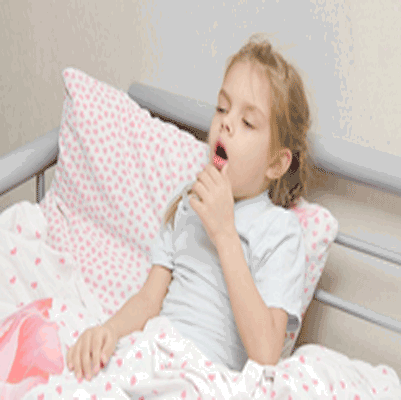
Barking cough (resembles a seal’s bark, worse at night)
-
Hoarseness of voice
-
Difficulty swallowing
-
Stridor (high-pitched, noisy breathing, especially on inhalation)
-
Fever (mild to moderate)
-
Restlessness and irritability
-
In severe cases: rapid breathing, bluish lips/skin (cyanosis), fatigue
?? When to Seek Medical Help
-
Persistent stridor at rest
-
Difficulty in breathing or swallowing
-
Drooling, inability to speak or cry
-
High fever with worsening cough
-
Signs of cyanosis (bluish skin/lips)
Diarrhea
Here’s a clear, structured version of your content on Diarrhea with added Effects and Spaks Homeopathy Treatment:
What is Diarrhea?
Diarrhea is a common condition, especially in children, characterized by frequent, loose, or watery stools.
It usually lasts for a few days (less than 1 week, and not more than 14 days). In most cases, it is mild and temporary, but if not treated properly, it can lead to dehydration, which may become serious.
Children with diarrhea may also experience additional symptoms such as fever, nausea, vomiting, abdominal pain, cramps, or blood/mucus in the stool.
Symptoms of Diarrhea
-
Loose, watery stools
-
Abdominal cramps and pain
-
Fever
-
Nausea and vomiting
-
Bloating
-
Blood or mucus in the stool
-
Generalized weakness
-
Headache (in viral gastroenteritis)
Effects / Complications
If diarrhea is not managed properly, it may cause:
-
Dehydration (loss of water and salts)
-
Weakness and fatigue
-
Nutrient deficiency (loss of essential vitamins/minerals)
-
Delayed growth in children if prolonged
-
In severe cases, hospitalization may be required for fluid replacement
Treatment with Spaks Homeopathy
Spaks Homeopathy offers safe and effective remedies to manage diarrhea, reduce fluid loss, and improve digestion naturally.
? Key Remedies Used in Spaks Homeopathy:
-
Arsenicum Album – For watery stools with weakness, restlessness, and burning sensation.
-
Podophyllum – For profuse, offensive, painless watery stools.
-
China (Cinchona Off.) – For weakness after fluid loss, bloating, and excessive gas.
-
Aloe Socotrina – For sudden, urgent stools with abdominal rumbling.
-
Veratrum Album – For diarrhea with vomiting, cramps, and cold sweats.
-
Mercurius Solubilis – For mucus/blood in stools with abdominal pain.

Epilepsy-
Epilepsy – A Neurological Disorder
Overview
Epilepsy refers to sudden, uncontrolled electrical disturbances in brain activity. These disturbances can cause changes in behavior, movement, awareness, and sensation.
Most epileptic seizures involve loss of awareness and shaking or jerking movements of the body. Some seizures may only cause brief staring spells. Typically, seizures last less than a few minutes, but confusion or tiredness may follow.
When seizures happen repeatedly, the condition is diagnosed as epilepsy (chronic neurological disorder).
Symptoms
Some people experience a warning sign (aura) before a seizure, which may include:
-
Headache
-
Blurred vision or visual changes
-
Hearing unusual sounds
-
Smelling strange odors (e.g., smoke or chemicals)
During a Seizure:
-
Uncontrollable body movements (jerking, stiffening, or facial twitches)
-
Staring spells
-
Difficulty breathing
-
Drooling
-
Loss of bladder or bowel control
-
Loss of consciousness
-
Confusion or memory gaps after the seizure
Effects if Untreated
If not properly managed, epilepsy can lead to:
-
Physical injury during seizures (falls, accidents)
-
Memory problems or cognitive decline
-
Emotional stress, anxiety, and depression
-
Social difficulties due to stigma or unpredictability of seizures
-
Rarely, status epilepticus (a prolonged seizure) which can be life-threatening
Treatment Options
Conventional Treatment
-
Anti-epileptic drugs (AEDs) to reduce or control seizures
-
Lifestyle changes (stress management, sleep hygiene, avoiding triggers)
-
Surgery or nerve stimulation therapy in severe or drug-resistant cases
Homeopathic Support (Spaks Homeopathy)
Spaks Homeopathy offers gentle, natural remedies to reduce seizure frequency, calm the nervous system, and improve overall brain health without side effects.
Common remedies include:
-
Cicuta virosa – for violent convulsions with stiffness and jerking.
-
Cuprum metallicum – for seizures with cramps, twitching, and blue face.
-
Bufo rana – for epilepsy linked with sexual disturbances or occurring at night.
-
Hyoscyamus – for seizures with twitching, delirium, or unusual behavior.
Why Spaks Homeopathy?
-
Safe and non-addictive treatment
-
Focuses on root causes, not just symptoms
-
Improves immunity and strengthens brain function
-
Helps reduce recurrence of seizures naturally
Fever..
Overview
A fever is a temporary rise in body temperature, often triggered by an illness or infection. It is usually a sign that the body is actively fighting off harmful microorganisms.
In adults, fever is generally harmless but may cause discomfort. It usually isn’t a cause for concern unless it reaches 103°F (39.4°C) or higher. In infants and toddlers, however, even a slightly raised temperature can be an indication of a serious infection.
Most fevers resolve within a few days, sometimes without treatment. While over-the-counter medicines can lower fever, in many cases, fever itself helps the body’s immune system fight infections naturally.
Symptoms of Fever
-
Sweating
-
Chills and shivering
-
Headache
-
Muscle aches
-
Loss of appetite
-
Irritability
-
Dehydration
-
General weakness or fatigue
Effects of Fever
-
Temporary discomfort and weakness
-
Risk of severe dehydration if not managed
-
Increased irritability and fatigue affecting daily activities
-
May signal serious underlying infections in children
-
If prolonged or very high, may cause seizures in children (febrile seizures)
Treatment with Spaks Homeopathy
Spaks Homeopathy offers a gentle and natural approach to managing fever. Instead of merely suppressing the temperature, treatment focuses on strengthening immunity, reducing discomfort, and addressing the root cause of the fever.
Benefits of Spaks Homeopathic Treatment:
-
Brings down high temperature safely
-
Relieves headache, muscle pain, and body weakness
-
Controls chills, shivering, and sweating
-
Improves appetite and hydration levels
-
Helps prevent frequent episodes of fever
-
Safe and free from harmful side effects
At Spaks, remedies are prescribed after a detailed case study to ensure personalized care for both children and adults.

Influenza..
Overview
Influenza may be a infection that attacks your system — your nose, throat and lungs.
Influenza is often known as the influenza, however it is not a similar as stomach "flu" viruses that cause diarrhea and expulsion.
Symptoms
- Fever over 100.4 F (38 C)
- Aching muscles
- Chills and sweats
- Headache
- Dry, persistent cough
- Fatigue and weakness
- Nasal congestion
- Sore throat

Kawasaki disease,
Kawasaki Disease
Overview
Kawasaki disease is a condition that causes inflammation in the walls of medium-sized arteries throughout the body. It mainly affects young children, especially those under the age of 5.
The inflammation often involves the coronary arteries, which supply blood to the heart muscle. Because it also affects lymph nodes, skin, and mucous membranes (in the mouth, nose, and throat), the disease is sometimes called mucocutaneous lymph node syndrome.
Early diagnosis and treatment are important to reduce the risk of long-term complications, particularly heart problems.
Signs and Symptoms
-
Severe redness in the eyes (without discharge)
-
Rash on the stomach, chest, and genitals
-
Red, dry, cracked lips
-
Swollen tongue with a white coating and large red bumps (“strawberry tongue”)
-
Sore, irritated throat
-
Swollen, red palms of the hands and soles of the feet (often purple-red)
-
Swollen lymph nodes, especially in the neck
Effects
If untreated, Kawasaki disease can cause:
-
Coronary artery aneurysms (ballooning of arteries)
-
Myocarditis (inflammation of the heart muscle)
-
Arrhythmias (irregular heartbeats)
-
Long-term risk of heart disease
-
Irritability, joint pain, and fatigue
Treatment
-
Intravenous immunoglobulin (IVIG): Given early to reduce inflammation and risk of heart damage
-
Aspirin: Helps reduce fever, pain, and prevent blood clots
-
Corticosteroids or biologic therapy: In resistant cases
-
Heart monitoring: Regular echocardiograms to check for coronary artery involvement
-
Supportive care: Rest, fluids, and monitoring of symptoms

Measles.
Measles (Rubeola)
Overview
Measles, also called rubeola, is a highly contagious viral infection that mainly affects children. Once very common, it can now almost always be prevented with a vaccine.
While vaccination has reduced cases worldwide, measles can still be serious and sometimes fatal, especially in children under 5. Outbreaks continue to occur in areas with low vaccination coverage.
Symptoms
Measles symptoms usually appear 10–14 days after exposure and may include:
-
Fever
-
Dry cough
-
Runny nose
-
Sore throat
-
Inflamed eyes (conjunctivitis)
-
Small white spots with bluish-white centers inside the mouth (Koplik’s spots)
-
A widespread skin rash made up of large, flat blotches that may merge together
Effects / Complications
If untreated or in severe cases, measles may lead to:
-
Severe diarrhea and dehydration
-
Ear infections
-
Pneumonia (serious lung infection)
-
Encephalitis (brain swelling)
-
Malnutrition due to vitamin A deficiency
-
Rarely, death in very young children or those with weak immunity
Treatment
There is no specific antiviral medicine for measles. Treatment focuses on relieving symptoms and preventing complications.
General / Medical Treatment
-
Rest and adequate fluids
-
Paracetamol or ibuprofen for fever and discomfort
-
Vitamin A supplements (help prevent severe complications in children)
-
Antibiotics only if secondary infections (like pneumonia or ear infection) occur
Homeopathic Supportive Remedies (used under expert guidance)
-
Aconitum napellus – for high fever with restlessness
-
Belladonna – for sudden fever, red eyes, and flushed face
-
Euphrasia – for watery eyes and cough
-
Pulsatilla – for rash with cough and thick mucus, especially in children
-
Sulphur – to help rash come out fully and aid recovery
This gives you a full structured note: Overview → Symptoms → Effects → Treatment (modern + homeopathy).
