Vitiligo/ leucoderma
Vitiligo (Leucoderma)
Overview
-
Vitiligo is a skin disorder in which patches of skin lose their natural color due to the destruction or malfunction of melanocytes (cells responsible for producing pigment).
-
The extent of skin involvement varies between individuals; it may affect hair, eyes, and the mucous membranes inside the mouth and nose.
-
Vitiligo is chronic and usually lifelong, and affected areas are more sensitive to sunlight (photosensitive).
-
The progression is unpredictable—patches may spread rapidly, slowly, or remain stable for years.
Symptoms
-
Patchy loss of skin color on any part of the body
-
Premature graying or whitening of hair on scalp, eyelashes, eyebrows, or beard
-
Loss of color in mucous membranes (inside the mouth and nose)
-
Loss of pigment in the retina or inner layer of the eye
-
Smooth, depigmented patches that may gradually enlarge
Effects / Complications
-
Increased sensitivity to sunlight and risk of sunburn on affected areas
-
Psychological impact, including stress, low self-esteem, and social anxiety
-
Rarely, associated autoimmune disorders, like thyroid disease or diabetes
Treatment / Management
-
Topical Treatments:
-
Corticosteroid creams to reduce inflammation and stimulate repigmentation
-
Calcineurin inhibitors for sensitive areas (face, neck)
-
-
Phototherapy:
-
Controlled exposure to UVB light to stimulate pigment production
-
-
Surgical Options:
-
Skin grafts or melanocyte transplants in stable patches
-
-
Camouflage / Cosmetic Solutions:
-
Makeup, self-tanning lotions, or dyes to blend depigmented patches
-
-
Lifestyle Measures:
-
Sun protection with sunscreen and clothing
-
Psychological support or counseling for emotional well-being
-

Wart
Common Warts
Overview
-
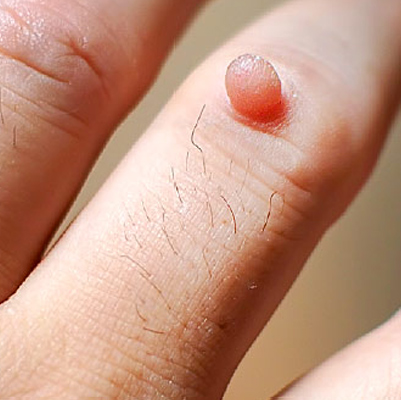
Common warts are small, rough skin growths most often found on the fingers and hands.
-
They are caused by human papillomavirus (HPV) and are contagious through direct contact.
-
A wart can take 2 to 6 months to develop after exposure to the virus.
-
Common warts are usually harmless and may disappear on their own, but many people choose removal for cosmetic reasons or because they are bothersome.
Symptoms
-
Small, fleshy, grainy bumps on the skin
-
Flesh-colored, white, pink, or tan
-
Rough to the touch
-
Often have tiny black dots (clotted blood vessels)
Treatment / Management
-
Over-the-counter treatments: Salicylic acid or other topical solutions
-
Cryotherapy: Freezing the wart with liquid nitrogen
-
Laser therapy: For stubborn or large warts
-
Surgical removal: Rarely needed, used for warts that do not respond to other treatments
-
Prevention: Avoid direct contact with warts, do not pick at them, and keep skin clean and dry
Sunstroke
Sunstroke (Heat Stroke)
Overview
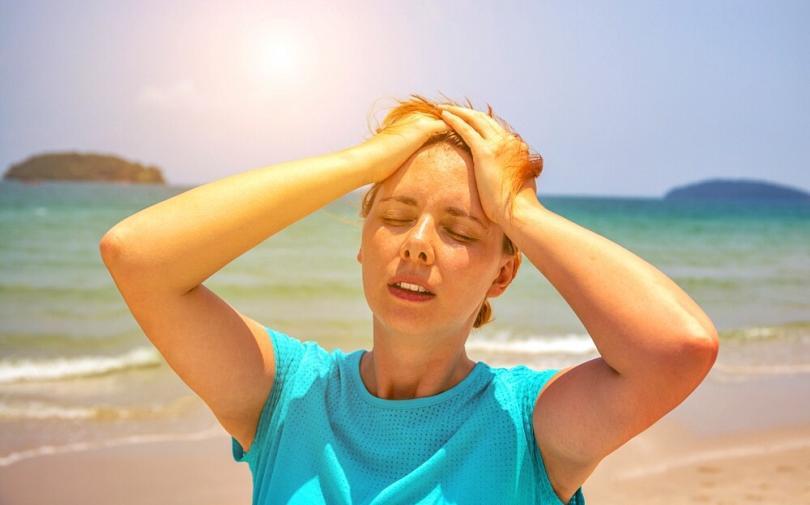
Sunstroke, also known as heat stroke, is a life-threatening condition caused by your body overheating, typically from prolonged exposure to high temperatures or strenuous physical activity in the heat.
-
It is the most severe form of heat-related illness, which begins with heat cramps, progresses to heat exhaustion, and may culminate in heat stroke.
-
Sunstroke occurs when the body’s temperature rises to 104°F (40°C) or higher, and the body’s temperature regulation fails.
-
Immediate medical attention is critical because untreated sunstroke can lead to organ failure, brain damage, or death.
Symptoms
Signs of sunstroke may include:
-
Throbbing headache
-
Dizziness and light-headedness
-
Lack of sweating despite high heat
-
Red, hot, and dry skin
-
Muscle weakness or cramps
-
Nausea and vomiting
-
Rapid heartbeat (strong or weak)
-
Rapid, shallow breathing
-
Confusion, lethargy, or seizures
Effects / Complications
If not treated promptly, sunstroke can cause:
-
Organ damage: Brain, kidneys, liver, and heart may be affected
-
Seizures or coma
-
Permanent neurological damage
-
Death in severe cases
Treatment / Management
1. Emergency Care
-
Call emergency medical services immediately
-
Move the person to a cool, shaded area or air-conditioned room
-
Remove excess clothing to help the body cool
2. Cooling Measures
-
Immerse in a cool bath or shower
-
Apply ice packs to the armpits, neck, and groin
-
Use cool, wet cloths on the skin
-
Fan the person to promote evaporation
3. Hydration
-
If the person is conscious and able to drink, provide cool water or electrolyte drinks
-
Do not give alcohol or caffeine, as they worsen dehydration
4. Monitoring
-
Keep track of body temperature, breathing, and pulse
-
Do not leave the person unattended until medical help arrives
Prevention
-
Stay hydrated during hot weather
-
Avoid strenuous activity during peak heat hours
-
Wear light, loose clothing and hats
-
Use sunscreen to prevent sunburn that can worsen heat stress
-
Take frequent breaks in the shade or cool areas
Fissure and Fistula
Overview of Fissure and Fistula
Anal Fissure
-
Definition:
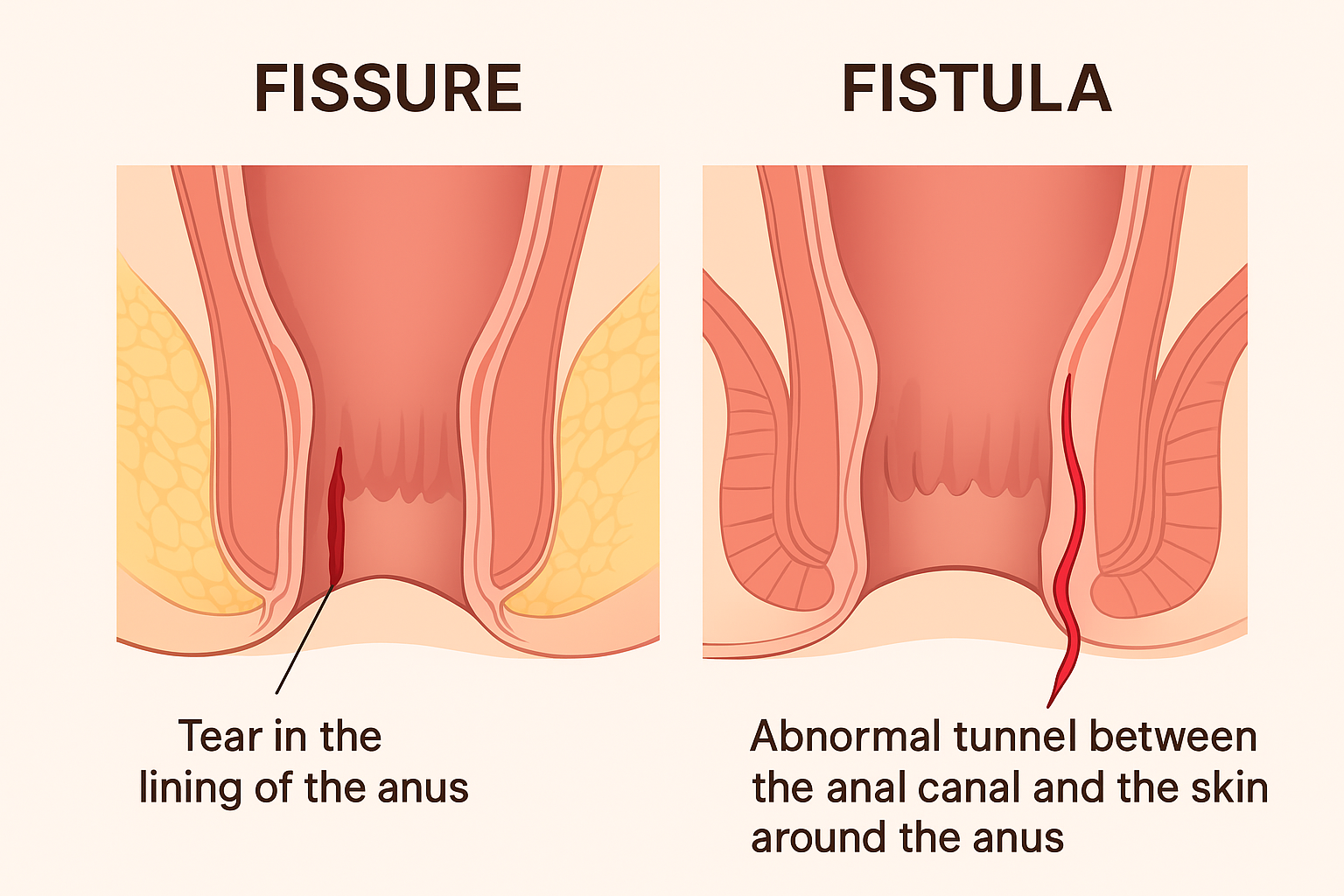
A fissure is a small tear or crack in the lining of the anus. -
Causes:
-
Passing hard stools (constipation)
-
Straining during bowel movements
-
Chronic diarrhea
-
Childbirth trauma
-
-
Symptoms:
-
Severe pain during and after passing stool
-
Bright red blood on stool or tissue paper
-
Burning sensation and itching around the anus
-
Fear of passing stool due to pain
-
-
Complications:
-
Chronic fissures (if not treated)
-
Development of skin tags around anus
-
Anal Fistula
-
Definition:
A fistula is an abnormal tunnel that forms between the anal canal and the skin near the anus. -
Causes:
-
Most commonly due to anal abscess (infection with pus collection)
-
Chronic infections (e.g., Crohn’s disease, tuberculosis)
-
Trauma or surgery near anus
-
-
Symptoms:
-
Persistent pus or foul-smelling discharge near the anus
-
Pain and swelling around anal area
-
Recurrent abscess formation
-
Irritation and blood-stained discharge
-
-
Complications:
-
Chronic infection
-
Scarring and multiple fistula tracts
-
Recurrence if not properly treated
-
Key Difference
-
Fissure: A tear in the anal lining → causes pain and bleeding.
-
Fistula: A tunnel between anal canal and outer skin → causes pus discharge and infection.
Treatment Approach (Spaks Homeopathy)
-
Relieves pain, burning, discharge, and infection naturally.
-
Works on root causes like constipation, poor digestion, and weak tissues.
-
No side effects, no surgery, permanent solution possible.